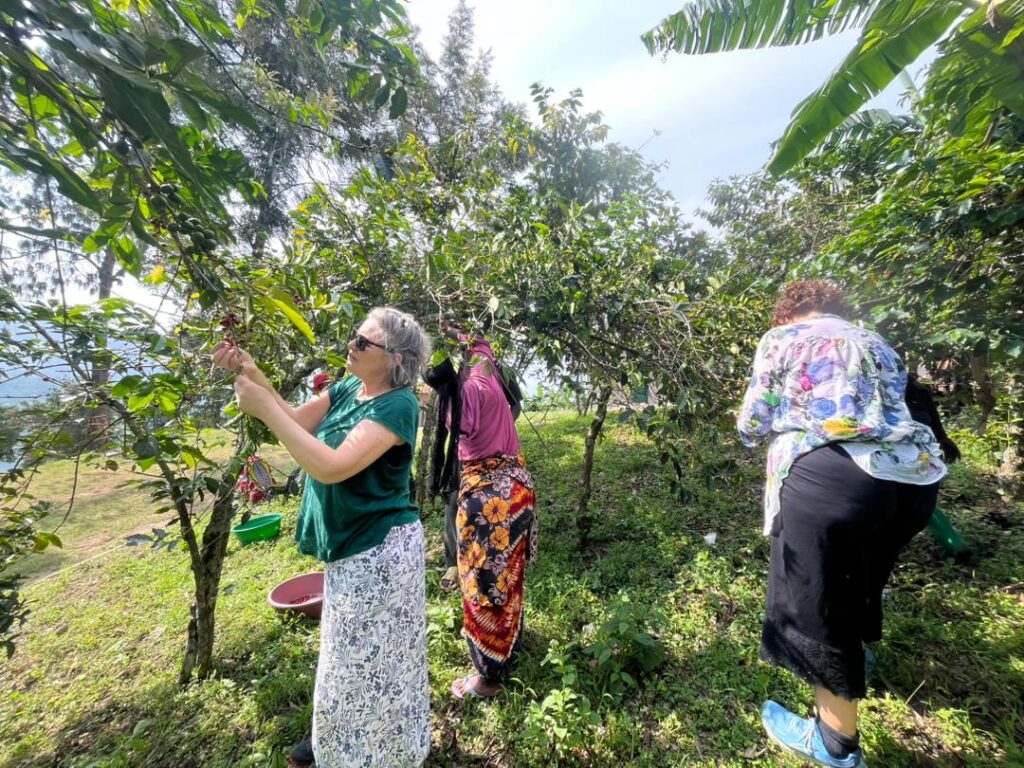
From the coffee farm to the final cup just like visitors experience during the Kinunu Coffee Tour along Lake Kivu ☕
Full Coffee Experience Process at Kinunu
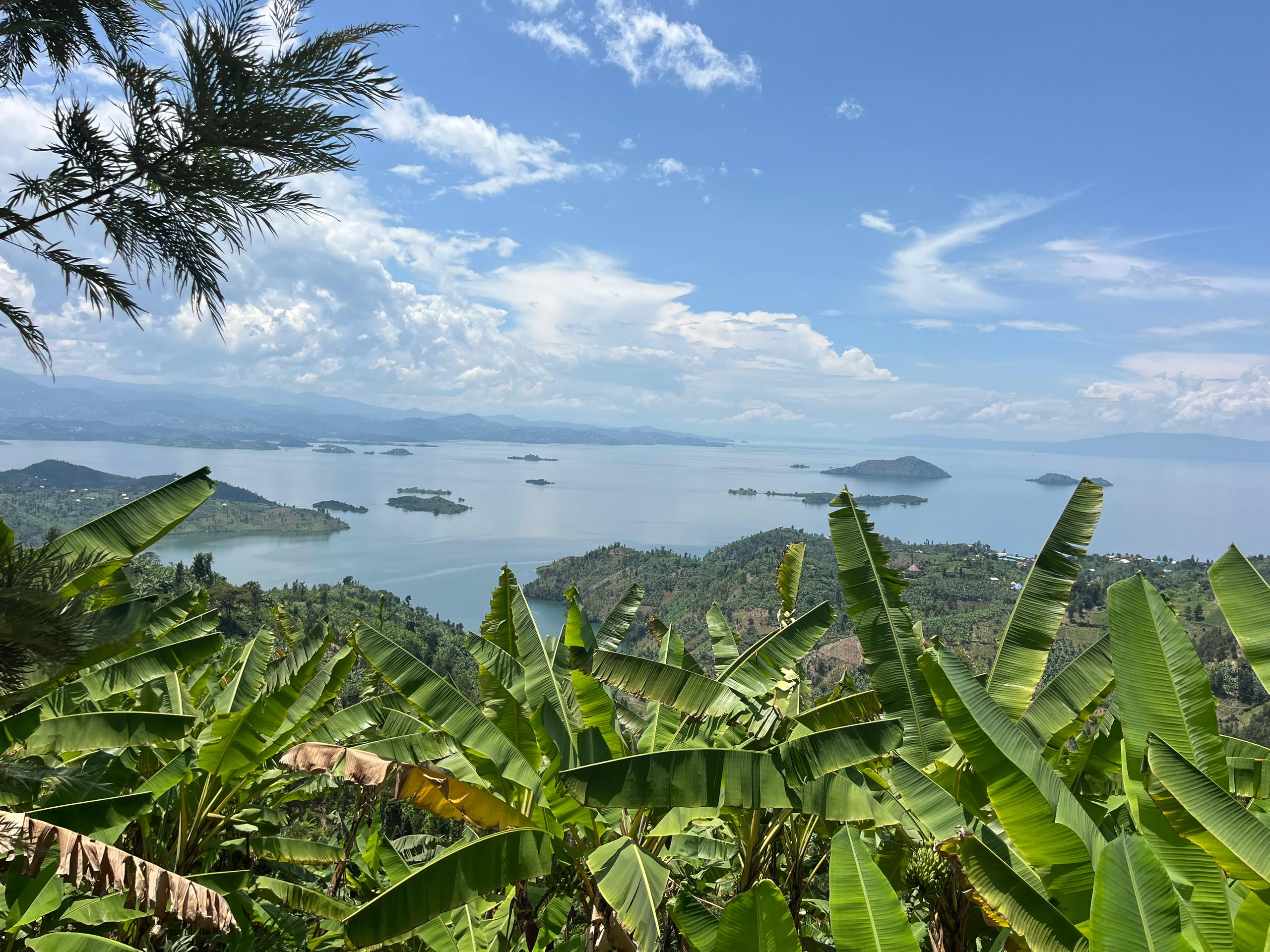
Kinunu is one of Rwanda’s most beautiful coffee-growing areas located on the hills above Lake Kivu in Rutsiro District. The tour takes you through every stage of how coffee is produced from seed to cup
1️⃣ Coffee Farm Visit – Planting & Growing
The tour starts at the coffee plantation near the washing station you learn about:
How coffee trees are planted and cared for in volcanic soil
The Arabica Bourbon variety grown in Kinunu
Natural farming methods often organic with compost instead of chemicals
Guides show how farmers prune,weed,and protect the plants.
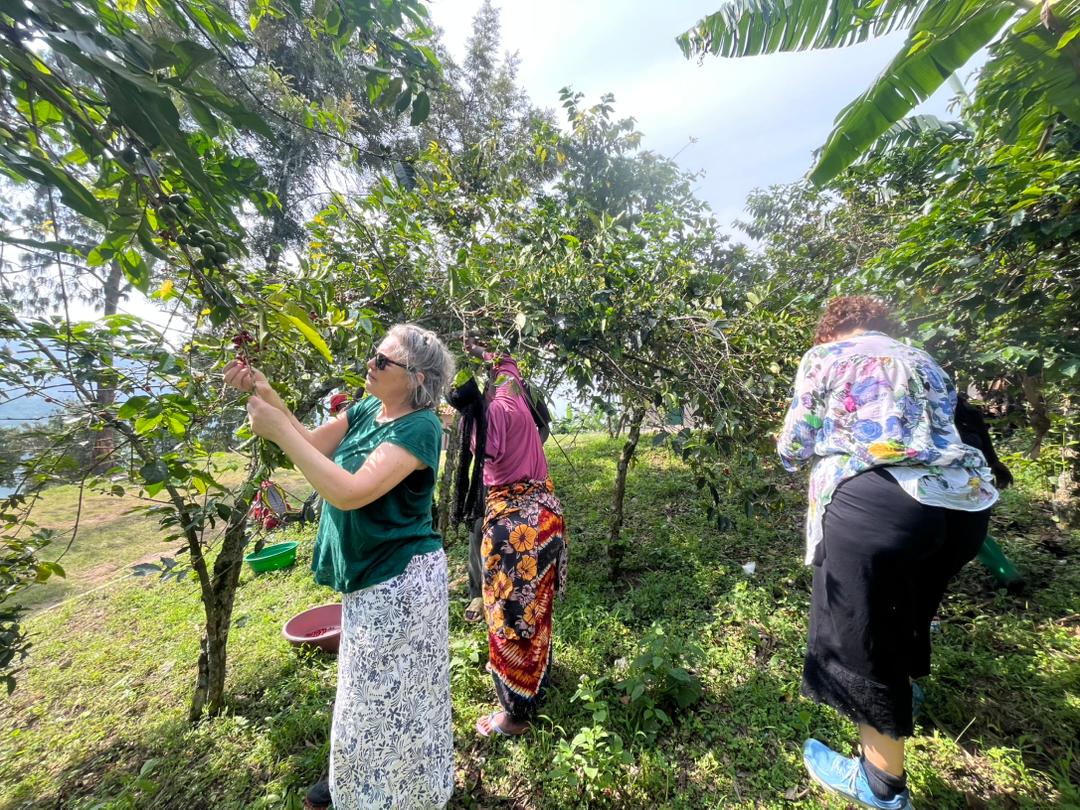
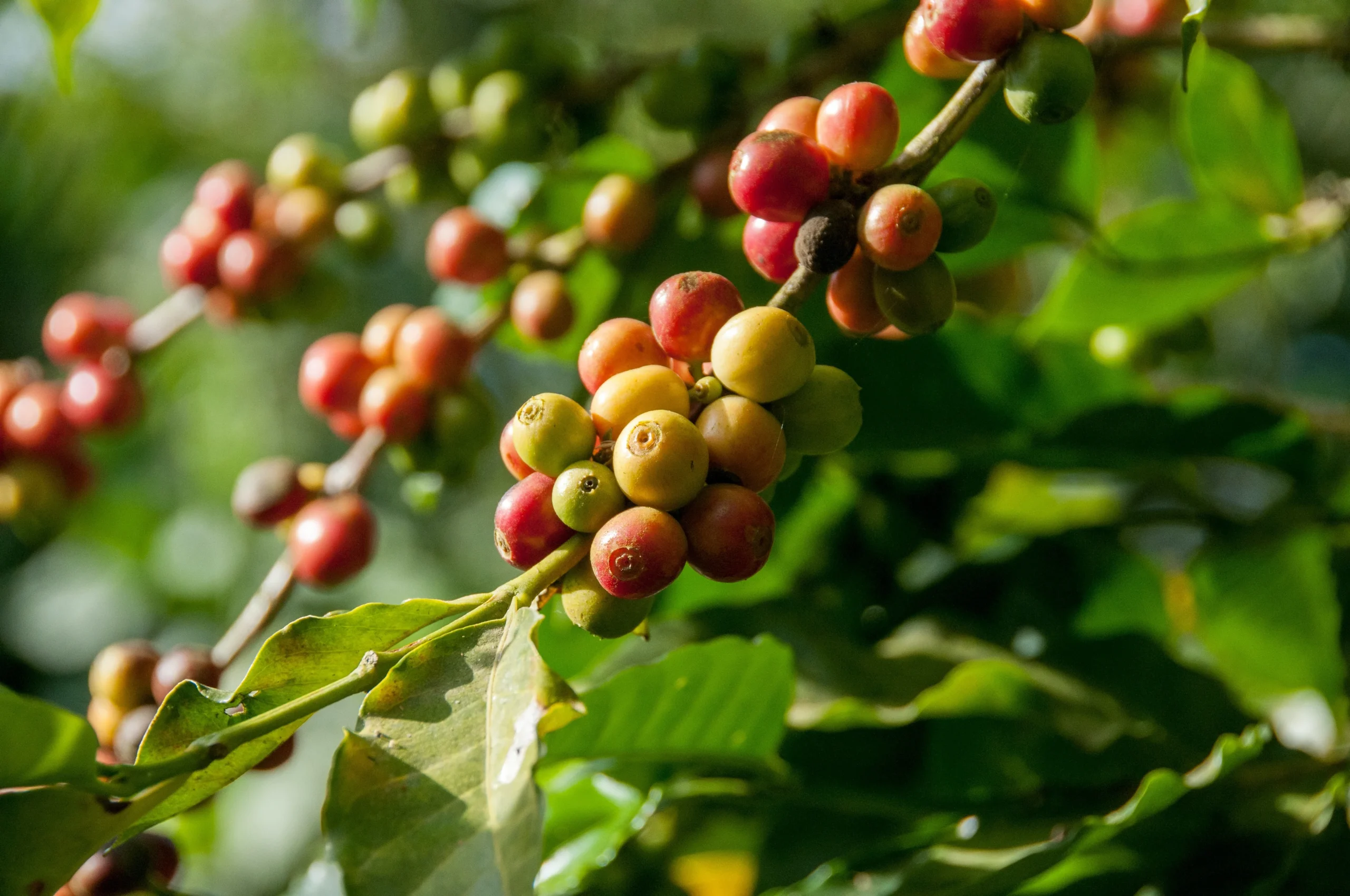
You’ll see green coffee cherries and the red ripe ones ready for picking.
2️⃣ Harvesting – Picking the Ripe Cherries
During harvest season (usually February–May and September,December,local farmers handpick only red ripe cherries,Visitors can try picking some themselves!
The goal is to collect only quality cherries ,unripe or overripe ones are separated.
3️⃣ Sorting & Floating
After picking, cherries are sorted to remove bad ones,They are placed in water tanks the good, heavy cherries sink, while the bad or empty ones float and are removed.This is called “floating”, ensuring high-quality coffee beans.
4️⃣ Pulping – Removing the Outer Skin
The good cherries go through a pulping machine at the washing station.This machine removes the red outer skin, leaving the beans covered with sticky mucilage (a sweet layer).
• Visitors can watch or sometimes help in this step.
5️⃣ Fermentation
The pulped beans are placed into fermentation tanks for about 12–18 hours.
During this time, natural enzymes break down the mucilage.
This process develops the coffee’s flavor and acidity.
6️⃣ Washing
After fermentation, the beans are thoroughly washed with clean water from nearby Lake Kivu.
• Workers use wooden paddles to stir and separate beans.
• Clean, dense beans sink these are the best quality.
7️⃣ Drying on Raised Beds
• Washed beans are then spread on raised African drying beds under the sun.
• Workers turn them regularly to dry evenly.
• It takes around 2–3 weeks until the beans reach the right moisture level (about 12%).
• This is one of the most photogenic and interesting parts of the tour
8️⃣ Hulling & Grading
• Once dried, the beans (called parchment coffee) are hulled to remove the final dry layer.
• Then, they are sorted and graded by size and quality.
• The best beans are exported or roasted locally under brands like Kinunu Wonders or trust coffee
9️⃣ Roasting
In the final processing area or at the guesthouse, visitors see the roasting process,Guides explain how light, medium, and dark roasts affect flavor.Some tours let you roast coffee traditionally on a charcoal pan – a fun, hands-on step!
🔟 Grinding & Tasting (Cupping)
- After roasting, beans are ground and brewed for tasting.
- You enjoy freshly prepared coffee while learning how aroma, taste, and roast level connect
- Visitors can compare different roast levels and brewing methods.
✅ 11. Packing & Souvenir
- Finally, you can buy fresh roasted coffee directly from the cooperative or guesthouse shop.
- Many tourists take home small bags of Kinunu coffee as souvenirs.
Optional Add-ons
Many visitors combine the coffee tour with:
- A boat ride on Lake Kivu (Kinunu–Rubavu or Kinunu–Kibuye)
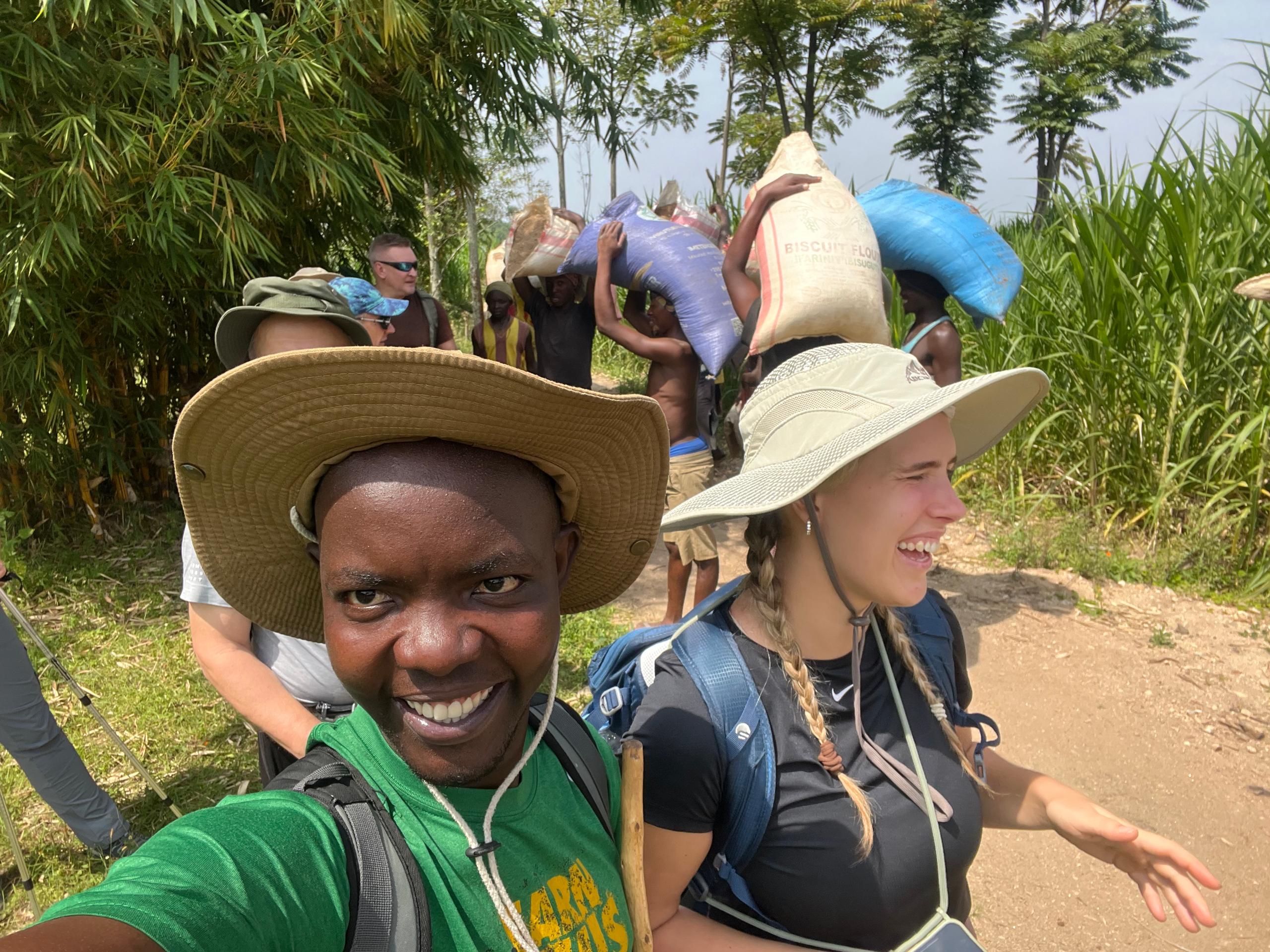
- A hike or bike ride along the Congo Nile Trail
- A village walk to meet local women coffee farmers
Durations:from 3-4hours
Including:guiding fees,coffee testing,boat transfer fees,soft drink and fresh fruit